Who, and What, Governs Us
In this election year, it seemed neither desirable to address the question of power head-on nor possible to ignore it. Instead, this theme invites us to explore who, and what, governs us, consciously or unconsciously, whether the authority exercised over us is chosen or imposed.
As algorithms—and now artificial intelligence—continue to expand their influence, as capitalism grows increasingly aggressive, democracy comes under mounting pressure, the planet faces unprecedented challenges, and emotions are harnessed to shape public opinion, the temptation to embrace a dystopian vision of the world is strong. This programme takes the opposite approach. Rather than dwelling on decline, it seeks to identify the openings through which hope emerges, inviting us to rethink digital spaces, democratic forums, geopolitical relations, ways of living, and the many forms of intelligence that shape our collective futures.
Conference Schedule
- Tuesday, October 27, 2026
- Tuesday, November 17, 2026
- Tuesday, December 1, 2026
- January 2027
- February 2027
- March 2027
- April 2027
- May 2027
Tuesday, October 27, 2026 - Can AI Be Conscious?
With Pierre Godard and Jim Gabaret
Can consciousness exist without a body, lived experience, or a sense of self? Recent AI systems sometimes appear aware that they are being tested—and may even seem to deceive us—yet we have no access to their inner perspective. We therefore tend to regard them as opaque mechanical black boxes. But is the human self, often considered unique and irreducible, really so transparent? Shaped by inherited narratives, blind to many of its own motivations, and embedded in a body saturated with sensory input, our consciousness may be far more elusive than we like to believe. What if AI were to turn the question back on us: who, or what, is really in control?
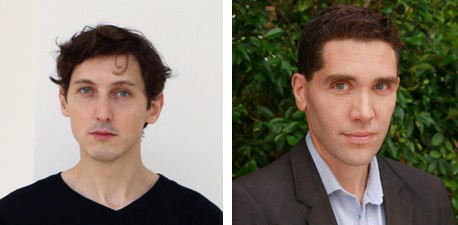
Pierre Godard (left) is a choreographer and theatre director, and holds a PhD in Natural Language Processing from Université Paris-Saclay. His work explores the future of dance and its relationship to society as a whole.
Jim Gabaret (right) is a philosopher, researcher and associate member of the Institut des sciences juridique et philosophique de la Sorbonne (Université Paris 1 Panthéon-Sorbonne), specialising in New Realism. He is the author of L'art des IA (The Art of AI, Presses Universitaires de France, 2025).
Tuesday, November 17, 2026 - Queer Algorithms: Disrupting Technology, Imagining Our Futures
With Guillaume Chevillon
Algorithms anticipate our preferences, shape our decisions, and increasingly influence the futures that lie ahead. Optimised for immediate performance, they tend to lock our societies into trajectories we have not consciously chosen. What if queer thinking offered an alternative? Embracing error, valuing the right to be forgotten, welcoming chance, and resisting fixed categories could all become resources for imagining AI systems that are more resilient, more open, and ultimately freer.
Drawing on his recent book Queer Algorithms (B42, 2026), Guillaume Chevillon explores the intersections of economics, technology and culture, inviting us to rethink the futures encoded in today's digital systems.
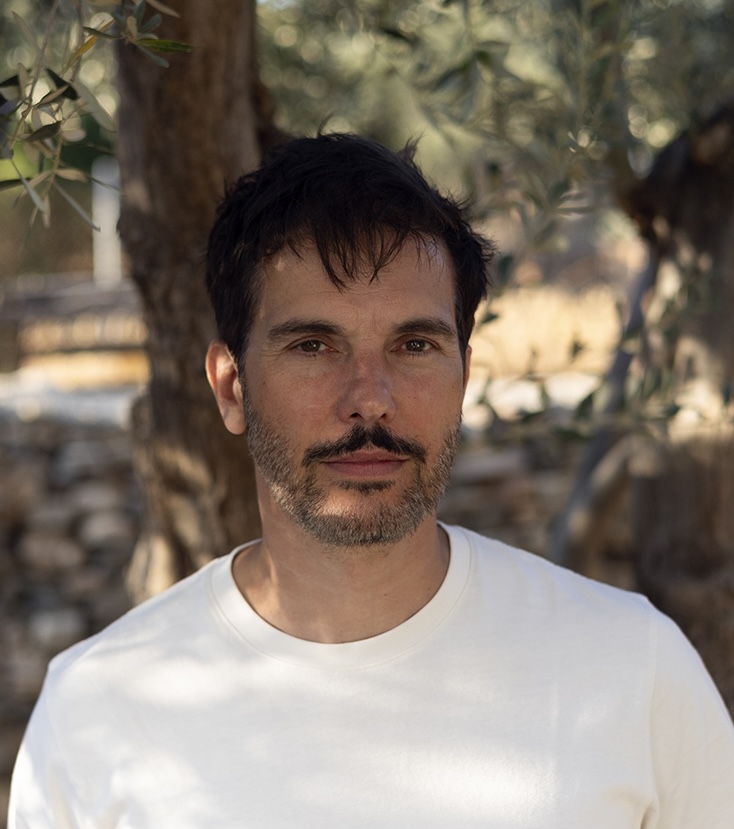
Guillaume Chevillon is Professor of Economics at ESSEC Business School, where he holds the Chair in Cultural Industries, Art and Creative Technologies. He also directs the Metalab for AI, Data and Society.
Tuesday, December 1, 2026 - The Power of Geeks: How Counterculture Became a Political Weapon
With Damien Leloup
Once considered marginal, geek cultures—science fiction, video games, fantasy, hacker communities, and internet memes—have become a major political battleground. Figures such as Steve Bannon and Elon Musk have recognised the influence of these communities and sought to harness their imaginaries in support of reactionary political agendas.
Drawing on a cultural investigation, Damien Leloup examines how geek culture has been appropriated for political purposes, while also highlighting the forms of resistance it continues to inspire around creativity, freedom of expression, and power.
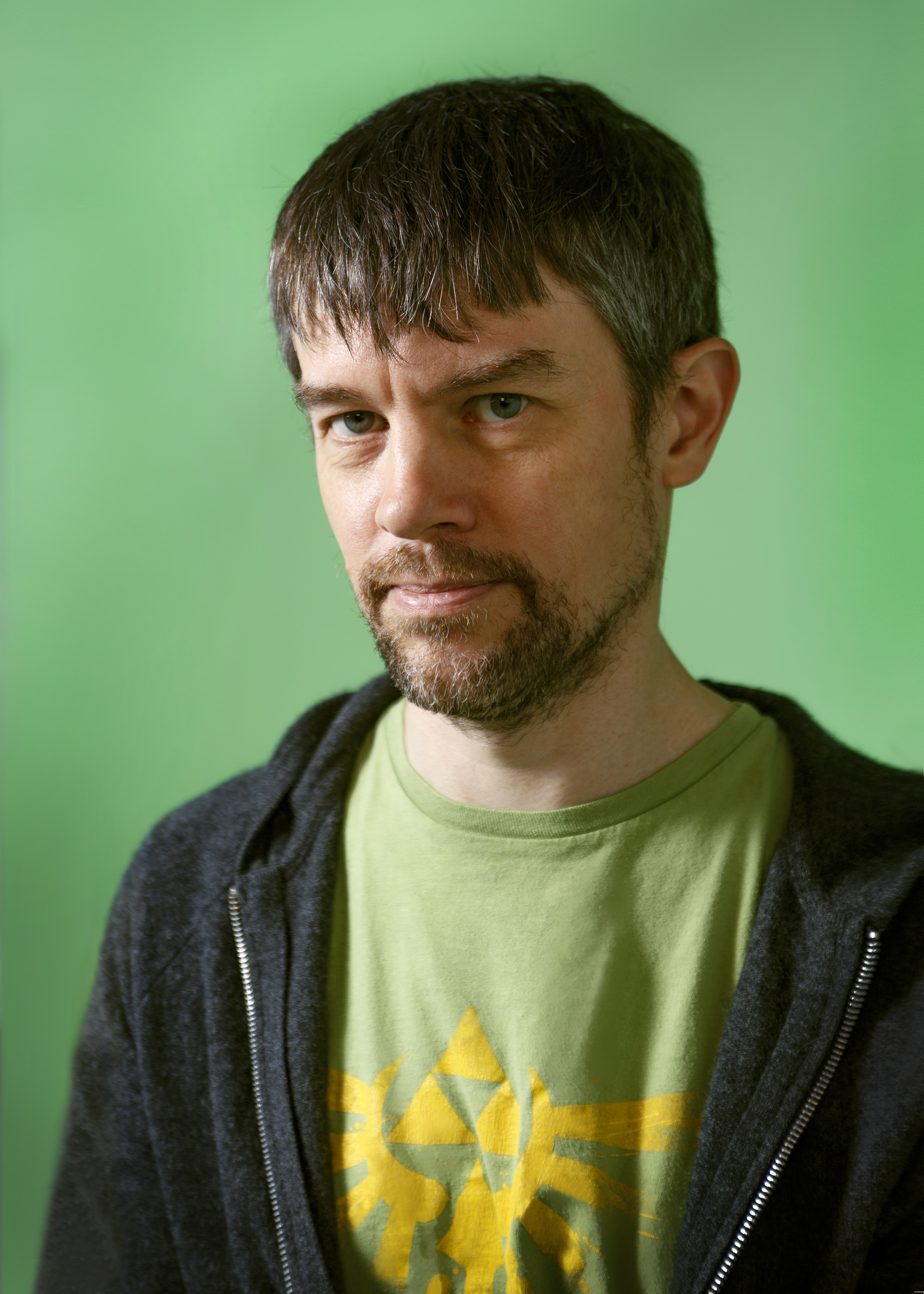
Damien Leloup has been a journalist at Le Monde for the past twenty years, covering technology and its impact on society. A self-confessed geek, he is passionate about role-playing games, video games, and speculative fiction in all its forms. The Power of Geeks is his first book.
(photo ©Pierre_Hybre)


